
Instructional Design Process
Here are the procedures to follow while designing instructional materials for students or employees:
- Analyze your target audience’s needs, as well as training and business demands, by conducting a needs analysis.
- Based on the analysis done on the learners, create a learner’s profile that contains details on their roles, responsibilities, skills, educational and professional experiences, technical knowledge, etc. Additionally, you want to evaluate their understanding of the subject matter the training will cover and the teaching methods they prefer.
- Identify the learning objectives. Decide on the learning goals. These should be based on what outcomes you want the program to achieve.
- Course design is a process in itself. Decide on the instructional strategy for the course or training program after choosing the topics (e.g., video or game-based approach).
- Utilize storyboards to arrange the information to establish a flow. It may be used to plan content, images, icons, and other elements that go on various pages.
- You can create a prototype of your online course or training program before developing it. This will allow you to test it for its effectiveness.
- Once you have developed and launched the program, monitor and assess it to understand whether it is effective in accomplishing the learning objectives and fulfilling the requirements of the learners and of the organization.
In general, the instructional design process is a systematic process of designing, developing, and delivering instructional materials. In order to begin the instructional design process for a new online course, I would start by gathering information about the course topic, the target audience, and the learning objectives.
Once I have this information, I will assist the faculty with a course map to outline the structure of their course. I will also explain the QM standards that the course must follow in order to pass the QM review. When it comes to QM standards, my main focus will be the alignment table and explaining to the faculty how they can align their COs, MOs, assessments, and learning activities together.
The most challenging aspect of this process would likely be keeping the course engaging and interactive in an online environment, as well as ensuring that the content is accessible to all students. To deal with these challenges, I would work closely with the faculty to create opportunities for learner engagement. I would suggest incorporating multimedia elements such as videos, images, and interactive activities. I would also design the course with accessibility considerations in mind, such as providing alternative text for images, using clear language, and ensuring that the course is compatible with assistive technologies.
Overall, my goal as an Instructional Designer would be to collaborate with the faculty to create a high-quality online course that is engaging, effective, and accessible to all students. Building rapport is also very important because I want the faculty to know that I am there for them and I work with them, not against them. Another challenge could be the struggles that the faculty may have that could cause them to be more frustrated in not getting their course ready for QM. For that, I will develop more of my time with the faculty and suggest reoccurring meetings so we can work on the course more frequently.
ADDIE Model
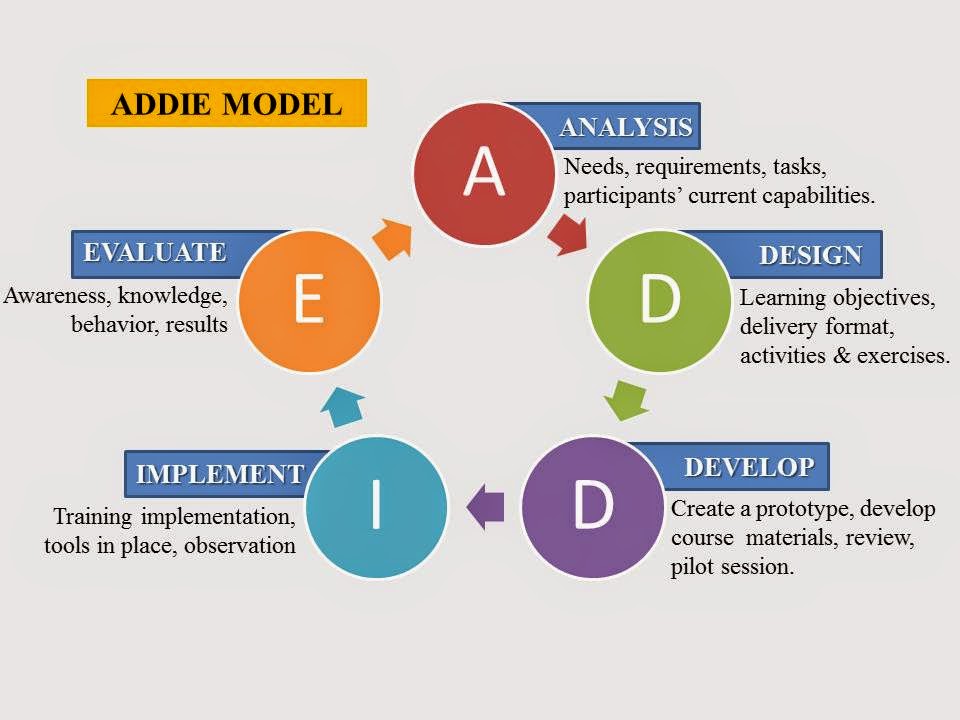
- Analyze: In this step, the situation is analyzed to understand the goals and objectives for the learning material, requirements, needs, skills, and knowledge of the learners.
- Design: Identify the learning objectives such as the knowledge you want the learners to gain and the learning outcomes.
- Develop: Identify how you can help the students get to the objectives you identified earlier and develop the instructional strategies accordingly.
- Implementation: Implement the strategies by trying out your training programs with students.
- Evaluate: Evaluate and measure the success of the training material you have designed and delivered. Note what needs to be changed.
Bloom’s Taxonomy
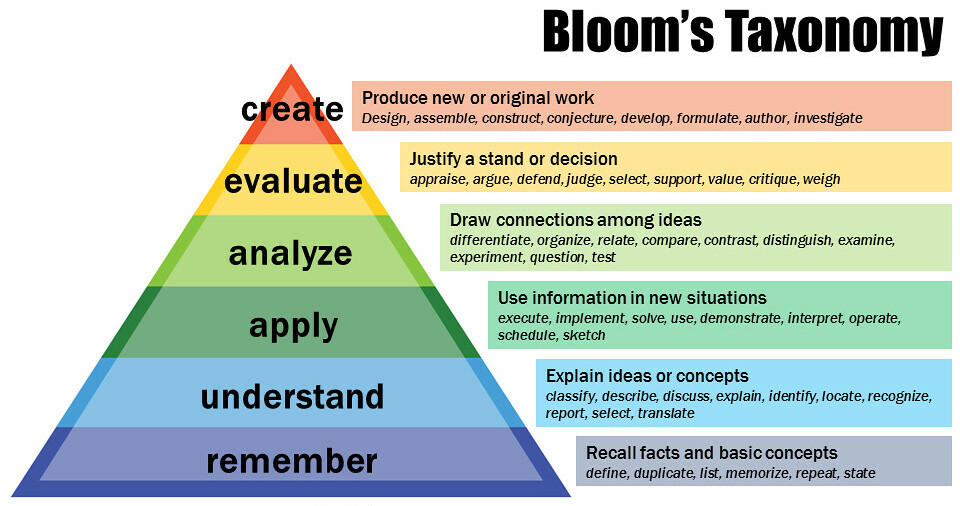
Bloom’s taxonomy classifies the different skills and objectives the educators set for their students.
Dick and Carey Model
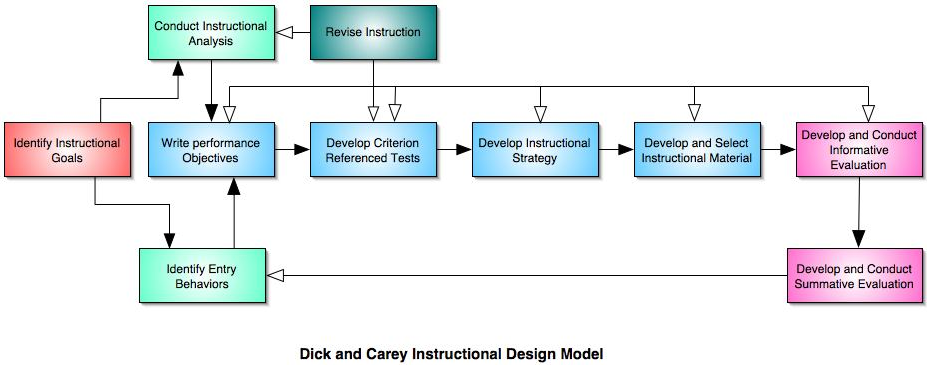
This model focuses on the interrelationship between context, content, instruction, and learning.
This portfolio will showcase the following:
- Telepresence Training
- Course Development
- Accessibility
Please view my instructional design PowerPoint portfolio down below for an in-depth overview of my experiences that equips me for an Instructional Design position.
 Tanem Designs